Quick answer
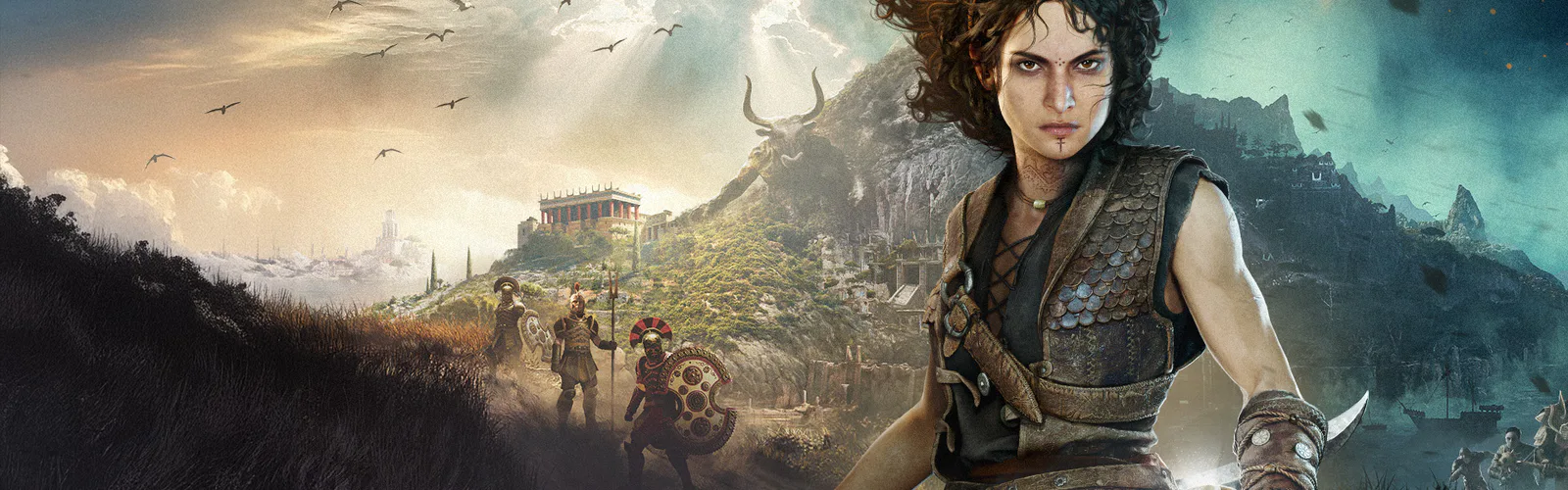
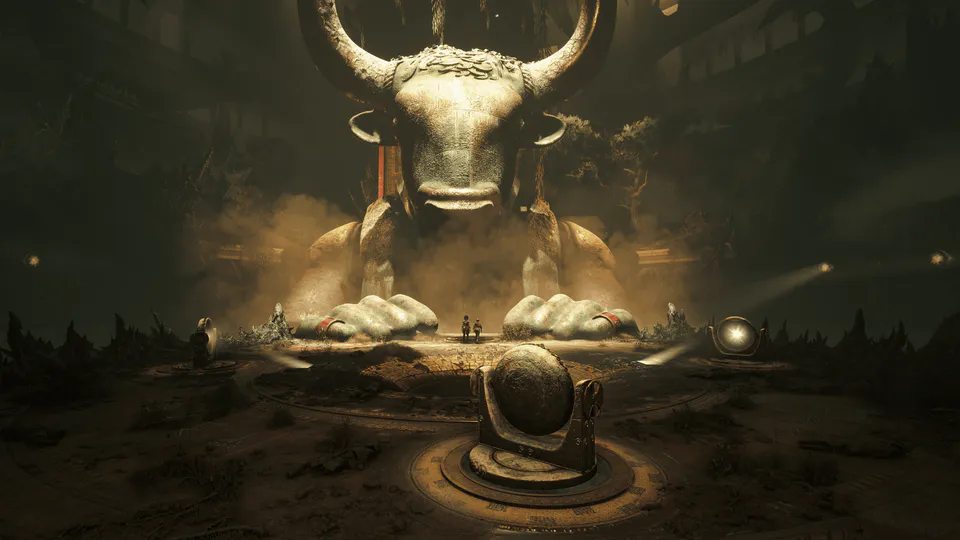
Resonance: A Plague Tale Legacy is the story of Sophia, a young plunderer who flees Venice after a failed heist and follows the mysteries of Minotaur's Island — a prequel set 15 years before A Plague Tale: Requiem. Her medieval journey runs alongside the ancient myth of Theseus, linked by the Macula's legacy. No prior series knowledge is needed.
The story premise, spoiler-free
Focus's official story-trailer article sets the board: a heist planned with her late father's gang goes wrong, and Sophia must flee Venice to survive. Her trusted companion Leni is at her side as she forges her own path into the mysteries of Minotaur's Island, hunting the secrets of a past the official pages keep deliberately veiled.
The island's mystery is the story's engine. Official copy promises players will "uncover the untold origins of the Macula" — the supernatural force series fans know — while Sophia follows the trail of Theseus, the figure of Greek myth whose path across the island mirrors her own. The official product page calls the two eras "linked by fate and the Macula's mysterious legacy", which is as far as any official page goes on how they connect.
Is Resonance a prequel?
Yes — and officially so. Focus's FAQ states that Resonance: A Plague Tale Legacy "stands as a prequel" to both A Plague Tale: Innocence and A Plague Tale: Requiem, and that it is set 15 years before Requiem. The product page repeats the 15-year framing, so the timeline placement is as confirmed as facts get in this series.
The companion fact matters just as much: the same FAQ says there is no need to have played either earlier game to enjoy Resonance and get the full experience. Sophia's past was barely hinted at in Requiem, per the official character devblog — this game expands that hint into a full story rather than continuing the earlier plotlines. Media reviews, like The Guardian's, describe her as a supporting character from the second game now fronting her own adventure.
The dual-era timeline
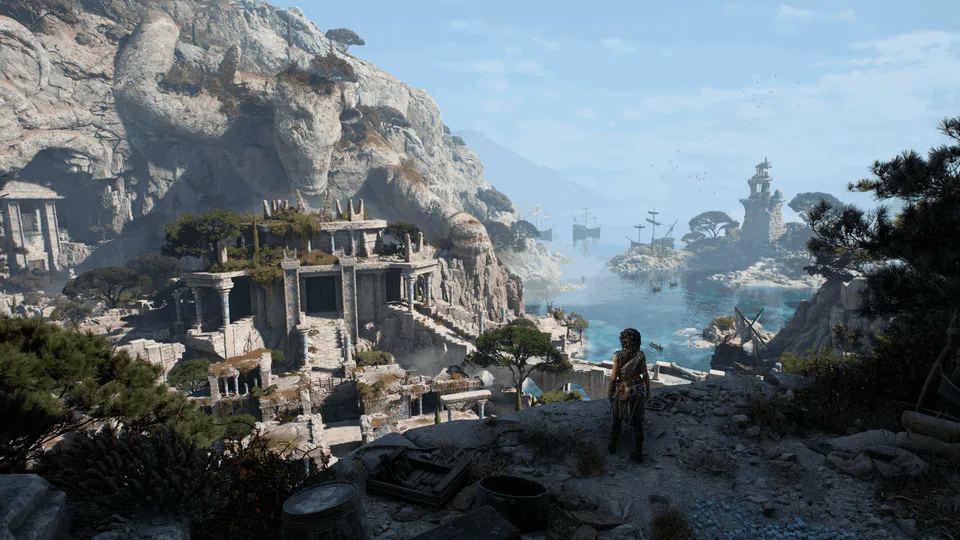
Officially, the story lives in two times at once. The first is Sophia's world: the early 14th century, opening in Venice and moving across the Mediterranean. The second is the era of the Minoan civilization, around 2,000 years before Christ, where the island's mythic layer plays out. The official myth devblog frames the pair as deliberately parallel — two protagonists facing themes of violence, control and fate in different centuries.
One geography note to keep clean: official materials call Minotaur's Island a legendary island hidden in the Mediterranean. Reviews sometimes summarize its real-world inspiration as Crete and the Greek islands, which is fair as criticism but not an official in-game identification — so this guide keeps the island legendary, as the developers do.
Main characters
Sophia is the protagonist: a 22-year-old plunderer and smuggler nicknamed The Scorpion of the Seas, raised in her father's plunderer camp and defined by loyalty to the people she protects. Leni is her trusted companion, the one person alongside her when Venice falls away behind the boat. Alec is her late father, the plunderer captain whose failed heist starts the story and whose camp raised her.
Theseus belongs to the ancient era. The official gameplay devblog confirms players directly control Theseus in parts of the adventure, and the myth devblog describes Sophia following his path across the island. Those four carry the officially documented cast; the game's full roster is larger, but the official pages do not enumerate it, so neither do we.
The Macula mystery
The Macula is the connective tissue between the eras. Official copy places its "mysterious legacy" and "untold origins" at the center of the plot, and the character devblog adds a personal dimension: Requiem, it says, was not Sophia's first encounter with the Macula — she has been haunted by an evil since childhood and wants to understand it.
How far the game goes in explaining the Macula's origins, and precisely what Sophia is to it, are questions the official pages do not answer. Those gaps stay open here. If the game or its developers document the lore later, this section will be updated with sources; until then, the safest summary is the official one — origins, legacy, and a haunting that predates the story you play.
About the ending
This page intentionally does not describe how Resonance ends. No official source we checked documents the ending, its structure, or character fates, and launch-week walkthrough coverage does not establish whether hidden conditions exist. Describing it from fragments would risk getting it wrong, and story answers given carelessly spoil the one thing a story page shouldn't.
Frequently asked questions
What is the story of Resonance: A Plague Tale Legacy?
Without spoilers: after a heist with her late father's gang goes wrong, young plunderer Sophia flees Venice with her companion Leni and follows the mysteries of Minotaur's Island, where her search for the truth about her past becomes entangled with the untold origins of the Macula.
Is Resonance: A Plague Tale Legacy a prequel?
Yes. Focus's official FAQ calls it a prequel to both Innocence and Requiem, set 15 years before Requiem. It also states you do not need to have played either earlier game to get the full experience.
When is the game set?
The story moves between two eras: the early 14th century, where Sophia's story plays out around the Mediterranean, and the age of the Minoan civilization around 2,000 BC, where the island's mythic layer follows the path of Theseus.
Does Resonance have multiple endings?
No official source documents the ending structure at all — number of endings, hidden conditions and final fates are all unconfirmed as of August 29, 2026. This guide will not describe the ending until it can be done accurately and with clear spoiler warnings.
Is Minotaur's Island supposed to be Crete?
Officially it is a legendary island hidden in the Mediterranean, with the Minoan civilization as its inspiration. Some reviews summarize the setting as Crete, but that is media interpretation, not an official in-game identification.
Resonance Wiki is an independent, fan-made guide. It is not affiliated with or endorsed by Focus Entertainment or Asobo Studio. Story facts follow official sources checked on August 29, 2026.